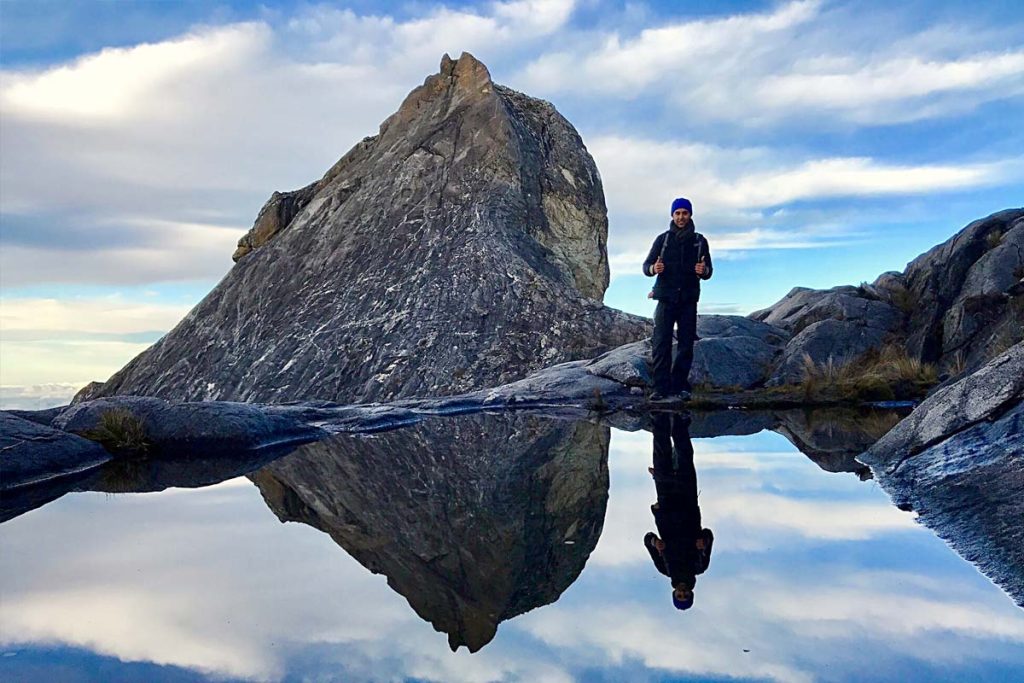
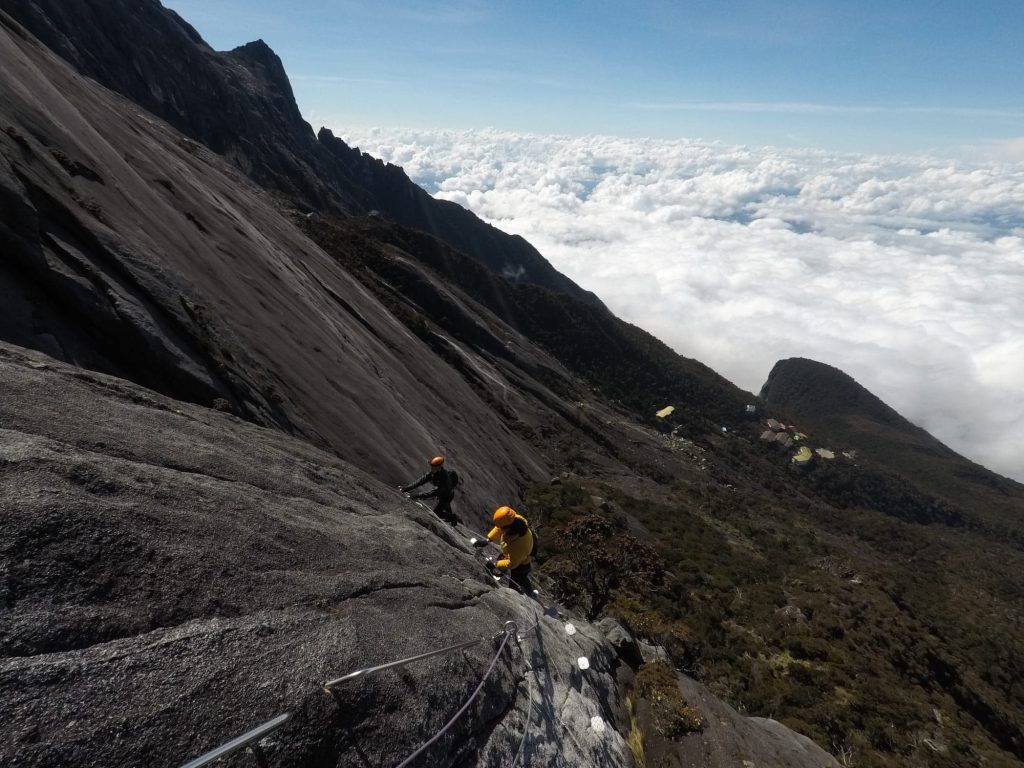
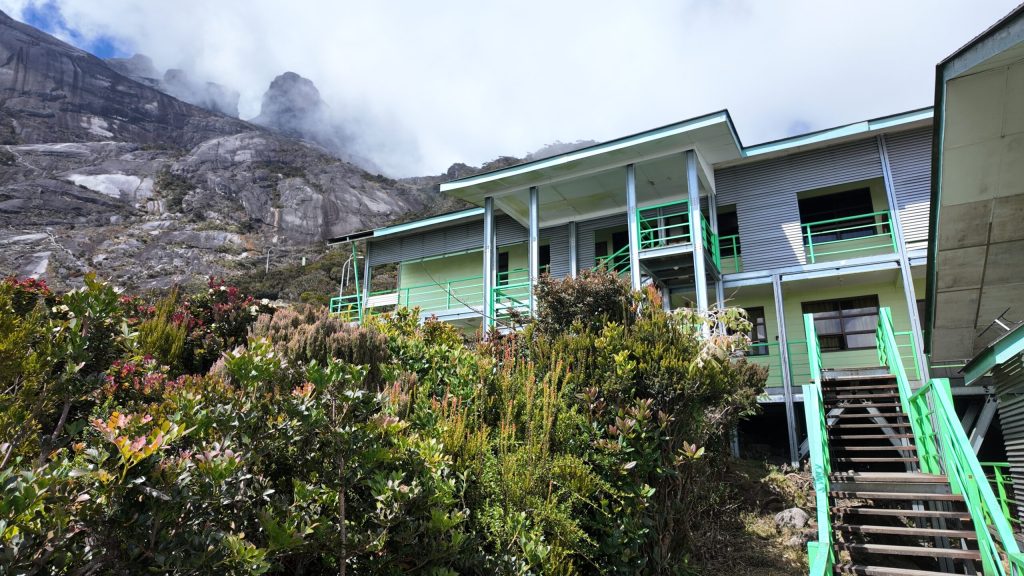
Long before you reach the granite summit plateau, it becomes clear that Mount Kinabalu is much more than a peak to climb. Kinabalu Park, which surrounds the mountain, was inscribed as a UNESCO World Heritage Site in 2000 — one of Malaysia’s first two, alongside Gunung Mulu National Park —, recognised for one of the richest concentrations of plant and animal life found anywhere in the world.
Why Kinabalu Park is so biodiverse
Much of the park’s diversity comes down to elevation. Within a relatively small area it runs from lowland rainforest to montane forest, sub-alpine scrub and bare granite near the summit at 4,095 metres. Each band of altitude has its own climate, soils and community of plants and animals, so climbing the mountain is like travelling through several ecosystems in a single day.
Pitcher plants
Kinabalu is famous for its carnivorous pitcher plants, several of which grow naturally nowhere else. Their leaves form cup-shaped traps that lure insects with nectar and then digest them — a clever way of surviving on nutrient-poor mountain soils. The giant Nepenthes rajah, found only on Kinabalu and nearby Mount Tambuyukon, has pitchers large enough to occasionally trap small animals.
An extraordinary number of orchids
UNESCO puts the park’s total at an estimated 5,000–6,000 plant species, including around 1,000 orchids, from tiny, easily missed flowers to large, showy blooms. Many are endemic to the region, which makes Kinabalu one of the most important places in the world for orchid research and conservation.
Wildlife along the trail
Most climbers focus on the path ahead, but the forest on the lower trail is full of life. Birdwatchers come for Bornean mountain species found nowhere else, and you may also spot squirrels, tree shrews and countless insects if you take a moment to look around. UNESCO records 326 bird species in the park.
The forest changes as you climb
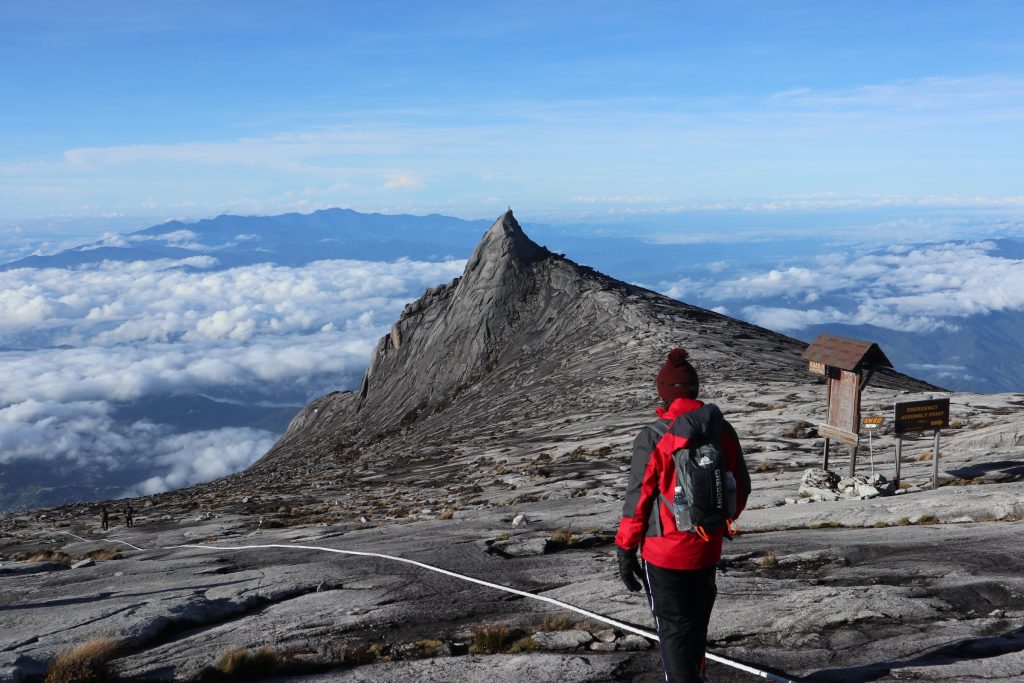
One of the best parts of the climb is watching the forest transform. Tall rainforest near Timpohon Gate gives way to montane forest with smaller, twisted trees covered in moss, then to low, wind-shaped scrub near the treeline. Above that the landscape opens into bare granite, where only the toughest plants survive.
Why this matters for climbers
Knowing a little about the park’s ecology adds another layer to the climb. Park fees help fund the work of Sabah Parks, and the guide requirements and trail management help limit the impact of the many climbers who visit each year. You can do your part by staying on the marked trail, leaving plants untouched and carrying all your rubbish back down.
Beyond the summit trail
If you have time before or after your climb, the trails around Park Headquarters let you see many of the park’s plants and birds at a gentle pace. They are well worth a few hours for anyone interested in nature, whether or not you are heading for the summit.
Kinabalu Park FAQs
When did Kinabalu Park become a UNESCO site?
Kinabalu Park was inscribed in 2000 as Malaysia’s first UNESCO World Heritage Site, recognised for its outstanding diversity of plants and animals. Read the official listing on the UNESCO World Heritage Centre website.
Can I visit Kinabalu Park without climbing?
Yes. The park headquarters has nature trails and a botanical garden. See our guide to family-friendly things to do around Kinabalu Park.
How do I see the higher zones of Kinabalu Park?
The cloud forest and summit zones can only be reached on a guided climb. See our Mount Kinabalu climb packages to plan yours.
Final thoughts
Mount Kinabalu is usually talked about as a challenge — the altitude, the early start, the summit sunrise. But the mountain and the park around it are just as remarkable as a living record of adaptation, from carnivorous plants to forests that change every few hundred metres of height. Taking time to notice it makes the climb even more memorable.