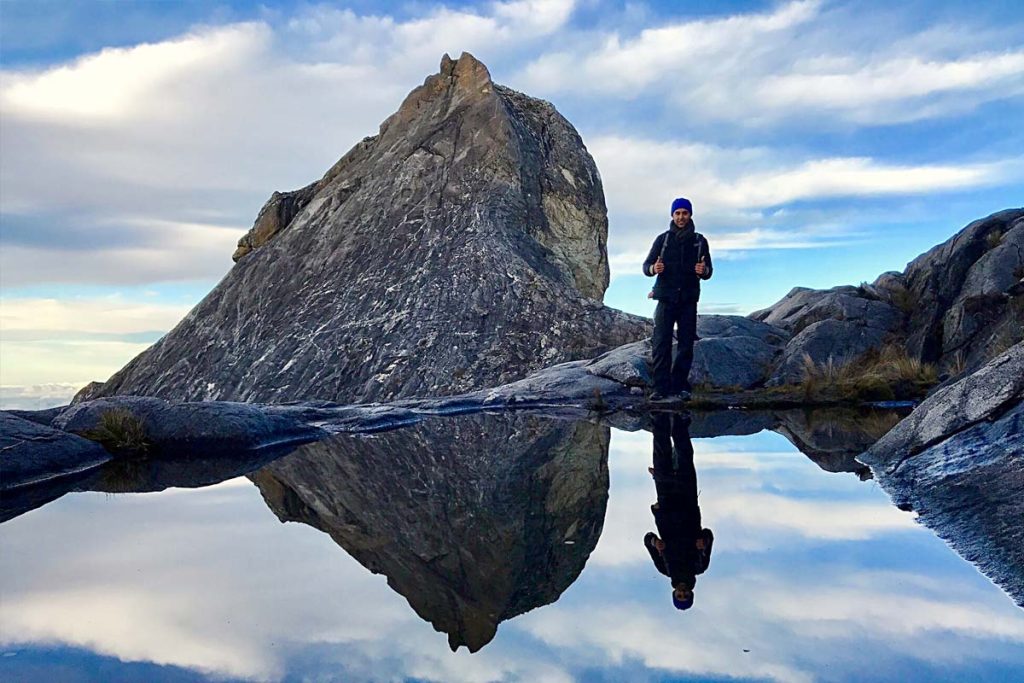
Mount Kinabalu is Malaysia’s highest mountain, and climbing it is one of the most achievable big adventures in the region — no technical climbing skills or ropes required, just a reasonable level of fitness and the right preparation. This guide walks through exactly how the climb works, what a typical itinerary looks like, and what you need to know before you book. Climbing Mount Kinabalu requires a permit and a licensed guide, as the mountain sits within Kinabalu Park, managed by Sabah Parks.
Mount Kinabalu at a Glance
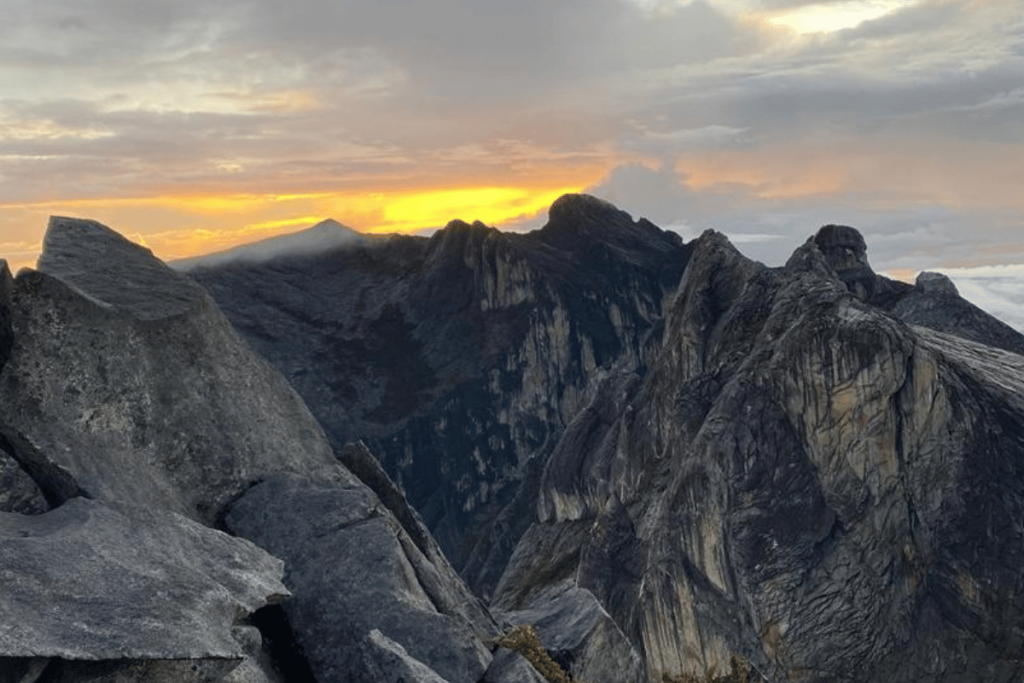
Mount Kinabalu sits inside Kinabalu Park in Sabah, on the island of Borneo, Malaysia. Its highest point, Low’s Peak, reaches 4,095 metres above sea level, and the whole park is a UNESCO World Heritage Site recognised for its exceptional biodiversity.
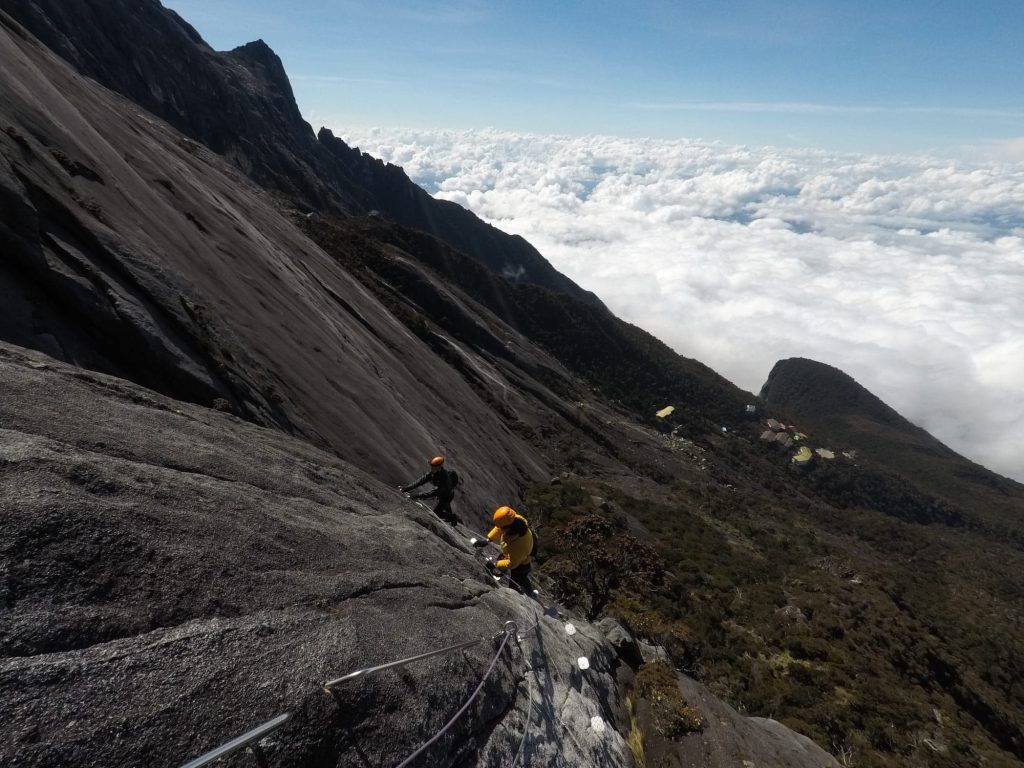
Most climbers take the standard two-day, one-night route: up to the Panalaban area (3,272m) on day one, then a pre-dawn summit push to Low’s Peak on day two. There’s also a Via Ferrata option for climbers who want an extra adrenaline element — see our Via Ferrata package for details.
How the Mount Kinabalu Climb Works
Access to the mountain is managed by Sabah Parks, and every climber must be accompanied by a certified mountain guide. On Best Mount Kinabalu packages, Sabah Parks requires one guide for every five adult climbers (or every two climbers aged 15 and under), which keeps groups small and manageable.
Because daily climber numbers on the mountain are capped, permits and mountain accommodation (Panalaban or Laban Rata) need to be secured in advance — as a general guide, booking 2–4 weeks ahead is recommended, with more lead time during peak season.
Typical Mount Kinabalu Climb Itinerary
Day 1: Ascent to Panalaban
- Morning pickup from Kota Kinabalu (around 6:30am) and registration at Kinabalu Park HQ
- Trek begins at Timpohon Gate — roughly 6km, typically taking 4–6 hours
- Packed lunch on the trail, buffet dinner on arrival
- Overnight at Panalaban (3,272m) in mountain dormitory-style accommodation
Day 2: Summit Push and Descent
- Wake around 2:00am for the summit push
- Roughly 2.7km to Low’s Peak (4,095m), with fixed ropes on the final, steeper stretch
- Sunrise from (or near) the summit, weather permitting
- Descend back to Timpohon Gate, typically 3–5 hours, then return to Kota Kinabalu
- Total time on the trail for day two: roughly 8–10 hours
Some itineraries add an extra acclimatisation night before the climb — for example, our 3D2N package with a Kinabalu Park night before the ascent is a popular choice for first-time climbers who want an easier introduction to the altitude.
What You Need Before the Climb
You’ll need a valid ID or passport, a climbing permit (arranged as part of your package), and a certified guide, which is included on every Best Mount Kinabalu climb. Climbing insurance is included in the Sabah Parks charges, and we strongly recommend comprehensive travel insurance as well. Sabah Parks doesn’t set a minimum age for the summit climb, but the via ferrata routes do: 10 for Walk the Torq and 16 for the Low’s Peak Circuit.
How Difficult Is Climbing Mount Kinabalu?
So, how hard is it to climb Mount Kinabalu? The climb does not require technical climbing skills, ropes, or prior mountaineering experience. However, participants should have a moderate level of fitness and be comfortable hiking uphill for several hours.
In practical terms, expect roughly 6–8km of continuous walking with over 2,000 metres of elevation gain on the ascent day, spread across around 5–7 hours. It’s a serious trek, not a technical climb — but altitude and stamina are the real challenges, not scrambling or rope work.
What to Expect on the Trail
One of the joys of climbing Mount Kinabalu is that the route passes through several distinct zones — lush lowland and montane rainforest lower down, giving way to gnarled, stunted vegetation and eventually bare granite slabs near the summit. Several rest shelters are spaced along the trail. Weather on the upper mountain can change quickly, which is part of why timing your climb matters — see our guide to the best time to climb Mount Kinabalu for more on that.
What to Pack
A good packing list makes a real difference on summit day — think warm layers, a headlamp for the pre-dawn start, and proper footwear for granite and handrail sections. We’ve put together a full breakdown in our Mount Kinabalu packing list guide.
Accommodation During the Climb
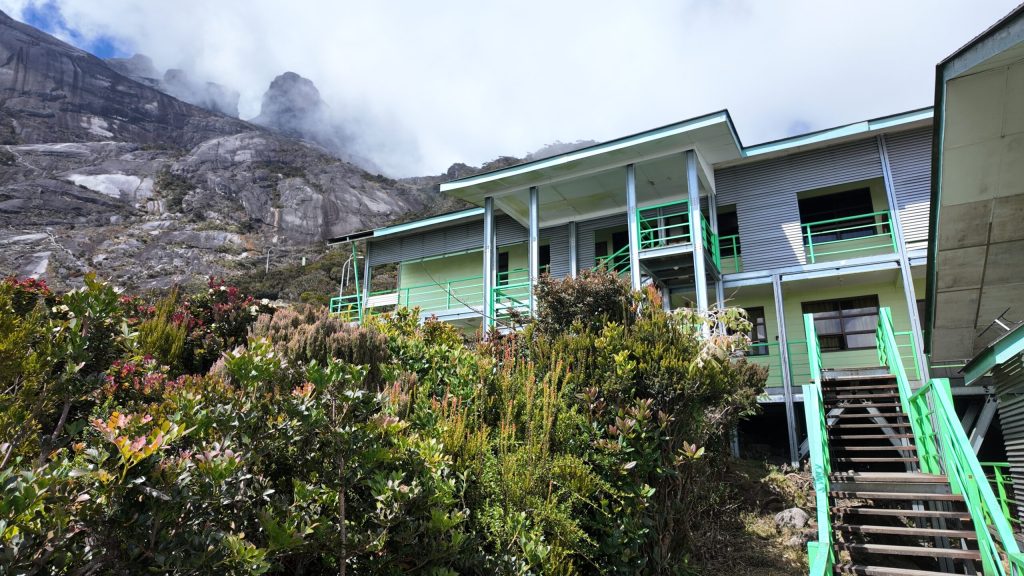
Depending on your package, you’ll overnight at Panalaban Hostel or Laban Rata (dormitory or private room options are both available), or at Pendant Hut on Via Ferrata itineraries. Packages that include an acclimatisation night typically add a stay at Kinabalu Park or Kundasang Highland Resort before the climb itself.
How to Prepare Physically
You don’t need to be an athlete to try climbing Mount Kinabalu, but a few weeks of preparation goes a long way. Useful ways to build climb-ready fitness include:
- Regular walking or hiking, ideally on hills or uneven ground
- Stair climbing to build leg endurance
- General cardio training (running, cycling, swimming)
- Leg-strengthening exercises such as squats and lunges
Frequently Asked Questions
Do I need mountaineering experience to climb Mount Kinabalu?
No. The standard route doesn’t require technical climbing skills or ropes — it’s a demanding trek rather than a technical climb, and it’s suitable for reasonably fit beginners.
How far in advance should I book?
As a general guide, 2–4 weeks ahead is recommended, with more lead time during peak periods, since daily climber numbers and mountain accommodation are limited.
Will I get a certificate for completing the climb?
Yes — climbers who reach the summit receive an official climb certificate.
What is the cancellation policy?
Cancellation terms depend on your package and how close to the climb date you cancel, because permits and mountain accommodation are booked in advance with Sabah Parks. Please ask our team for the full terms before you book.
Is there a minimum age to climb?
Sabah Parks doesn’t set a minimum age for the summit climb, but climbers aged 15 and under need one guide for every two children, and every climber needs a basic level of fitness. The via ferrata routes have their own minimums: 10 for Walk the Torq and 16 for the Low’s Peak Circuit (Mountain Torq).
Ready to Climb Mount Kinabalu?
Now that you know how to climb Mount Kinabalu, browse our Mount Kinabalu climbing packages, including the classic 2D1N Panalaban route and the acclimatisation-friendly 3D2N Kinabalu Park & Laban Rata itinerary, or get in touch with any questions before you book.