The best time to climb Mount Kinabalu depends on what matters most to you. The mountain can be climbed all year round, and because Sabah sits close to the equator, temperatures at the base of the mountain don’t change much from month to month. Rainfall is a different story: it shifts noticeably through the year and affects trail conditions, summit views and how comfortable your climb feels. Here is what to expect, month by month.
The climate on Kinabalu
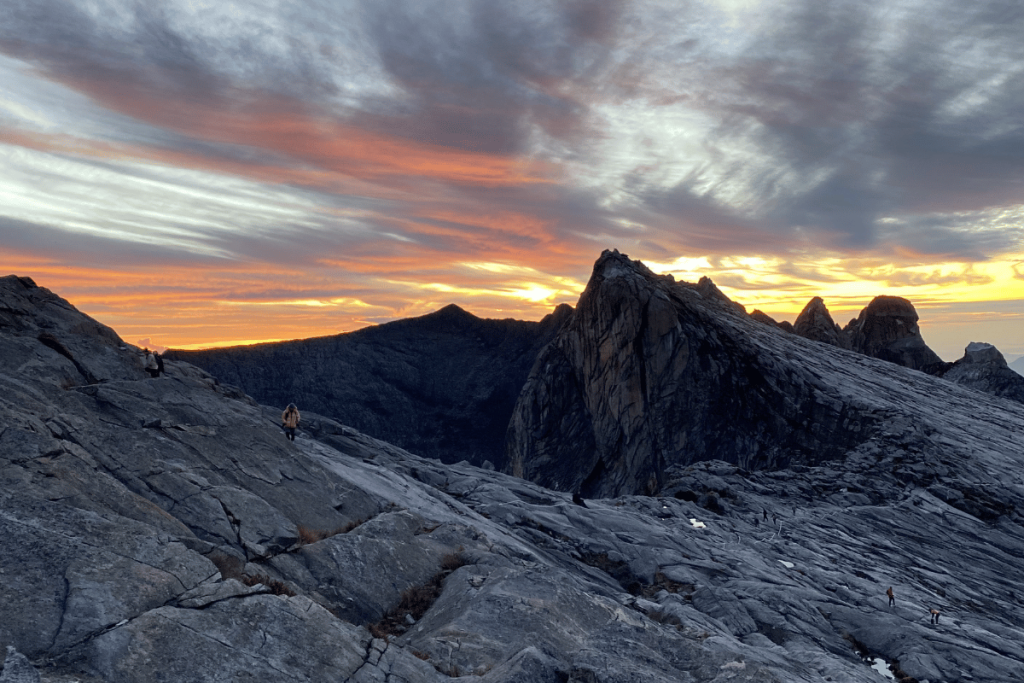
Temperatures fall as you climb — roughly 6°C for every 1,000 metres of height. Kota Kinabalu at sea level is usually around 26–32°C, while Laban Rata at 3,272 metres is much cooler and gets cold at night, and the summit before sunrise can approach freezing, often with a cold wind. Whenever you go, pack warm layers for the summit push.
Around March to September: the drier months
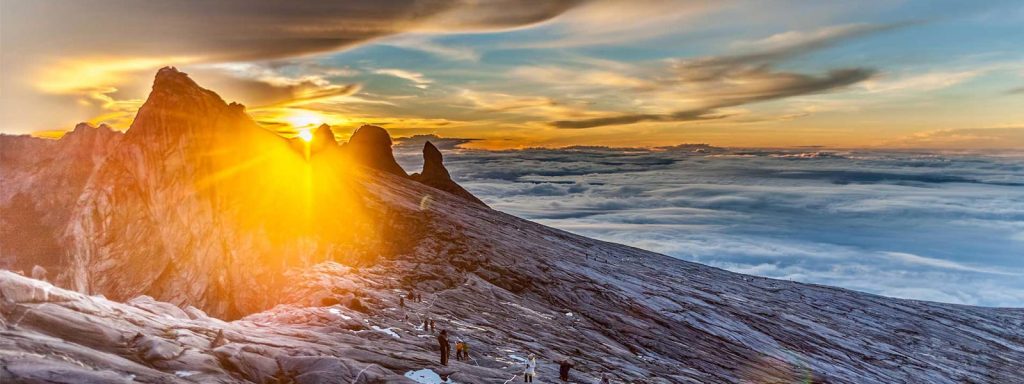
From roughly March to September, conditions are generally drier and more settled. That means better visibility at the top, a better chance of a clear sunrise above the clouds, and less slippery trails for the climb up and the long walk down.
This is also the busiest climbing season. Weekends and school holidays can be fully booked weeks or months ahead because Sabah Parks limits how many people can climb each day, so book early if you are planning to go in these months.
Around October to February: the wetter months
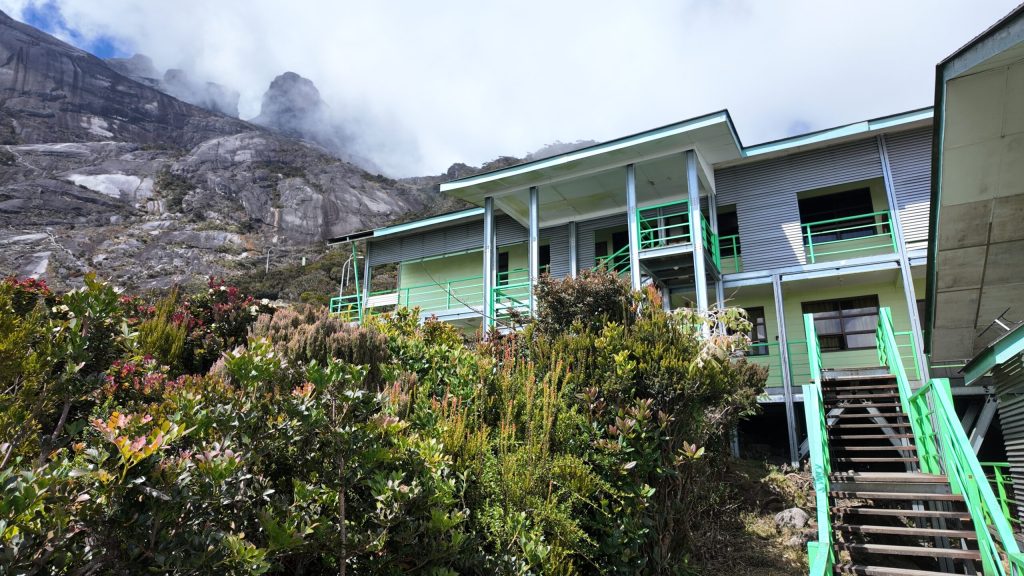
The end of the year and the northeast monsoon bring more frequent rain, often in the afternoon. The mountain is still very much climbable and many people reach the summit at this time of year, but be ready for wet trails, mist and a higher chance of cloud hiding the view.
On the plus side, it is often easier to get permits and accommodation, and the misty rainforest on the lower slopes is beautifully atmospheric. If you don’t mind some rain, it can also mean a quieter trail.
Choosing the best time to climb Mount Kinabalu by priority
| Your priority | Best choice |
|---|---|
| Best chance of a clear sunrise | Around March to September |
| Easier availability | October to February, on weekdays |
| Fewer people on the trail | Weekdays, any season |
| Lush, misty rainforest | The wetter months |
Time of day matters as much as the month
In every season, early morning usually brings the clearest views. That is one reason the summit push starts at around 2:30 AM: not only to catch sunrise, but because cloud tends to build over the mountain as the day goes on. By mid-morning the summit is often wrapped in cloud, even on otherwise clear days.
Book ahead, whatever the season
Daily climber numbers are limited, so demand often outstrips supply — especially at weekends in the drier months. Booking at least 2–4 weeks ahead is a good rule, and 2–3 months ahead is safer for school holidays and peak periods.
Best time to climb Mount Kinabalu: FAQs
Can you climb Mount Kinabalu all year round?
Yes. The mountain is open year-round and rain is possible in any month. Guides may pause a summit attempt in heavy rain or strong wind for safety.
When is it busiest?
Weekends, Malaysian school holidays and public holidays fill up fastest. If your dates are flexible, a weekday climb is easier to book.
How far ahead should I book?
For busy periods, book several months ahead. Read how Mount Kinabalu climbing permits work, then pick a 2D1N or 3D2N itinerary. For forecasts, see MetMalaysia.
Final thoughts
There is no single best month to climb Mount Kinabalu — it depends on whether you care most about clear views, availability or atmosphere. What matters is being ready for a range of conditions: pack for rain and cold and stay flexible. Mount Kinabalu weather changes quickly, and plenty of climbers who set off under cloud have still been rewarded with a clear sunrise at the top.