You can’t just turn up at Mount Kinabalu and start climbing. Every climber needs a permit from Sabah Parks, and the number of climbers allowed on the summit trail each day is limited. Understanding how this works is one of the most important parts of planning your trip. Here is how the Mount Kinabalu climbing permit system works and how to secure yours.
Why climber numbers are limited
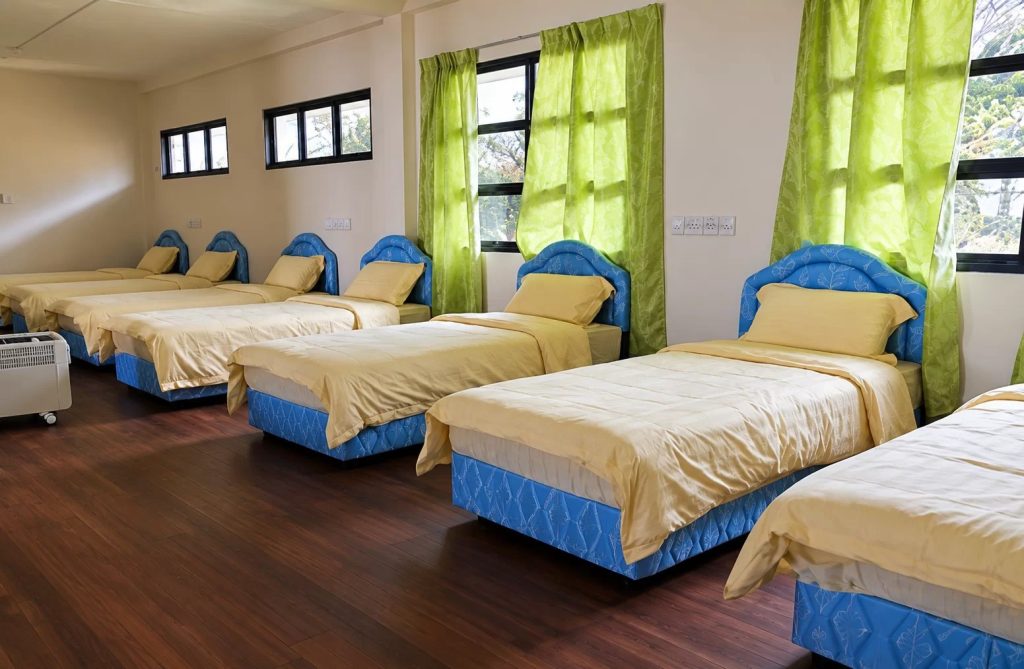
Sabah Parks controls how many people climb each day. In practice, the limit is closely tied to the number of beds at Laban Rata, Panalaban and Pendant Hut, since summit climbers must stay overnight on the mountain. The cap protects the fragile environment near the summit, prevents overcrowding on the trail and keeps the mountain huts from being overbooked. Popular dates — especially weekends and school holidays — can sell out weeks or months ahead.
What you need to climb
Every climber needs a climbing permit, park entrance, climbing insurance and a licensed mountain guide registered with Sabah Parks. Climbing without a guide is not allowed. Sabah Parks requires one guide for every five adult climbers, or one for every two climbers aged 15 and under.
How booking a Mount Kinabalu climbing permit works
Most climbers don’t deal with Sabah Parks directly. Licensed tour operators arrange the permit as part of a package, together with your guide and mountain accommodation, because a summit permit is only issued with a confirmed overnight booking on the mountain.
That is why booking early matters so much: you aren’t just reserving a bed, you are securing one of a limited number of climbing places for that day.
Documents you’ll need
- Your passport (international visitors) or MyKad (Malaysians), shown at registration at Kinabalu Park Headquarters
- Your booking confirmation or voucher from your tour operator
- Your travel insurance details (strongly recommended)
Age and health
Climbers need a basic level of fitness and must complete an indemnity form. Sabah Parks advises people with heart disease, high blood pressure, chronic asthma, diabetes, severe anaemia, arthritis or any illness that may be triggered by cold, exertion or altitude not to climb, and to consult a doctor first. Sabah Parks doesn’t set a minimum age for the summit climb, but children aged 15 and under must climb with one guide for every two climbers. The via ferrata routes have their own minimums: 10 for Walk the Torq and 16 for the Low’s Peak Circuit.
What if your dates are full?
If your preferred date is sold out, you can choose another date, ask to go on a waiting list for cancellations, or look at weekdays, which usually have better availability than weekends. Being flexible with dates is the easiest way to avoid disappointment, especially in the drier months from around March to September, when demand is highest.
How far ahead to book
| When you’re climbing | Suggested booking lead time |
|---|---|
| Weekday, off-peak | 2–3 weeks ahead |
| Weekend, off-peak | 3–4 weeks ahead |
| School holidays or peak season | 2–3 months ahead |
Mount Kinabalu climbing permit FAQs
Can I buy a Mount Kinabalu climbing permit on the day?
In practice, no. Daily climber numbers are capped by the beds available on the mountain, so a permit only works with a confirmed bed at Laban Rata or Panalaban. Booking well ahead, especially for weekends and school holidays, is the only reliable way to climb on your chosen date.
Is the Mount Kinabalu climbing permit included in a package?
Yes. Our Mount Kinabalu packages include the climbing permit, a certified mountain guide, insurance, meals and transfers, so you don’t have to arrange each part separately. See the Mount Kinabalu climb cost breakdown for what each fee covers.
Who issues the permits?
Climbing on Mount Kinabalu is managed by Sabah Parks, which sets the rules on climber numbers, guides and age limits.
Final thoughts
The permit system makes Mount Kinabalu one of the most carefully managed climbs in the region. It means you need to book ahead, but it also keeps the trail from getting overcrowded, ensures every group has an experienced guide, and helps protect the summit environment for climbers to come.