At 4,095 metres, Mount Kinabalu is high enough for altitude to affect any climber — not just those who are less fit. Knowing the signs of altitude sickness, how to reduce your risk and what to do if it happens is an important part of preparing for the climb. Knowing the early signs of altitude sickness on Mount Kinabalu, and how to prevent it, keeps your climb safe.
This article is general information, not medical advice. If you have a heart or lung condition, are pregnant, or have had altitude problems before, speak to your doctor before booking.
What causes altitude sickness?
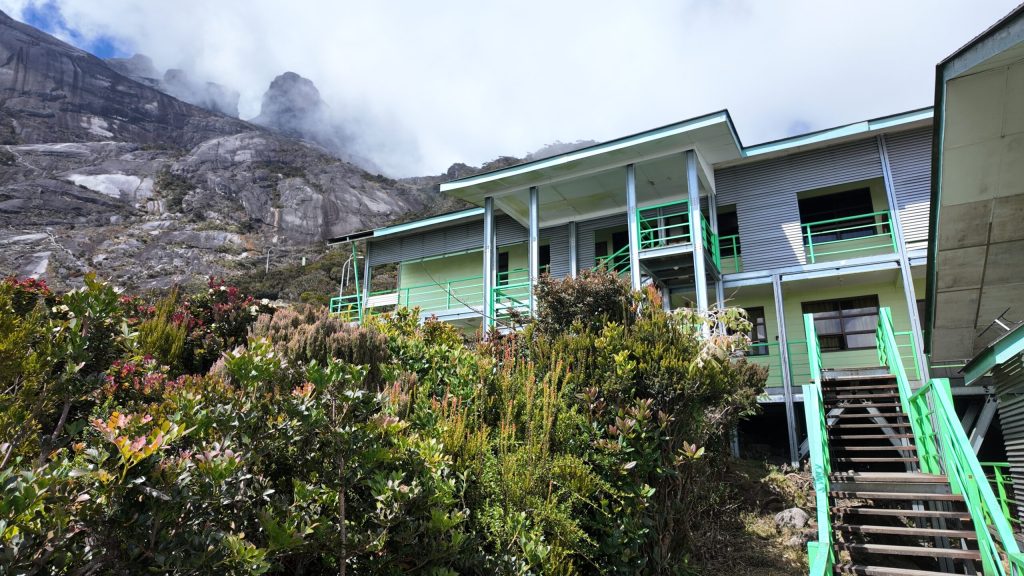
The higher you go, the lower the air pressure and the less oxygen you take in with each breath. Many people start to notice the effects above about 2,500 metres — and Laban Rata, where most climbers spend the night, is at 3,272 metres. Acute mountain sickness (AMS) happens when you climb faster than your body can adjust.
Common symptoms
- Headache, often a dull, persistent ache
- Nausea or loss of appetite
- Unusual tiredness, more than the effort would explain
- Dizziness or light-headedness
- Poor sleep at Laban Rata, even when exhausted
- Feeling more breathless than the effort would explain
Mild symptoms like these are fairly common and don’t automatically mean you have to stop. Warning signs that need urgent action include confusion, clumsiness or difficulty walking, worsening headache that doesn’t ease with rest, and breathlessness while resting. Anyone with these symptoms must descend, and your guide is trained to recognise them.
How a 3D2N itinerary can help
A 3D2N package with a first night at Kinabalu Park Headquarters (about 1,563 metres) or in Kundasang breaks up the journey, so you start the climb rested rather than after an early-morning drive from Kota Kinabalu. One night at moderate altitude is not full acclimatisation, but many climbers find the slower start makes the climb to Laban Rata and the summit push noticeably more comfortable.
How to prevent altitude sickness on Mount Kinabalu
- Drink plenty of water in the days before the climb as well as on the mountain — around 2–3 litres a day while climbing is a sensible guide.
- Avoid alcohol before and during the climb; it adds to dehydration and can hide early symptoms.
- Climb at a slow, steady pace. Your guide will set a sustainable rhythm — don’t race ahead.
- Keep eating, even if your appetite drops. Your body needs the energy.
- Rest as much as you can at Laban Rata before the 2 AM start, even if you can’t sleep.
- If you are considering medication to help prevent altitude sickness, talk to a doctor or travel clinic well before your trip.
What to do if you get symptoms
The most important rule is to tell your guide as soon as you feel unwell — don’t try to push through quietly. Mild headaches and nausea are common, and your guide can help by slowing the pace, making sure you drink and keeping an eye on how you feel.
If symptoms get worse, the answer is to go down. Symptoms usually improve quickly once you lose height. This is one reason every climber must have a guide: they are trained to make that decision and can radio for help if needed.
Who is more at risk?
Fitness doesn’t protect you from altitude sickness — very fit people can get AMS while less fit people may not. Climbing too quickly, dehydration, poor sleep before the climb and individual differences can all play a part, and it is hard to predict who will be affected. That is why sensible pacing, hydration and rest matter for everyone.
Altitude sickness on Mount Kinabalu: FAQs
How common is altitude sickness on Mount Kinabalu?
Mild symptoms such as a headache, breathlessness or poor sleep are common around Laban Rata (about 3,270 m), and most climbers notice the thinner air on the final push to Low’s Peak at 4,095 m. Serious cases are uncommon, which is why guides keep a close eye on every climber.
Does fitness prevent altitude sickness on Mount Kinabalu?
Not on its own. Fit climbers can still be affected, often because they go up too quickly. Fitness does help you keep a steady, comfortable pace, so see our Mount Kinabalu training guide.
Which package is best for acclimatising?
A 3D2N climb with a night at Kinabalu Park or Kundasang before the summit gives your body extra time to adjust. For general medical guidance, read the NHS guide to altitude sickness.
Final thoughts
Feeling the altitude is a normal part of climbing a mountain this high, and mild symptoms are common and manageable. Prepare well — drink enough, go slowly, rest, and consider a 3D2N itinerary — and most climbers reach the summit without serious problems. Listen to your body, and trust your guide if anything feels wrong.