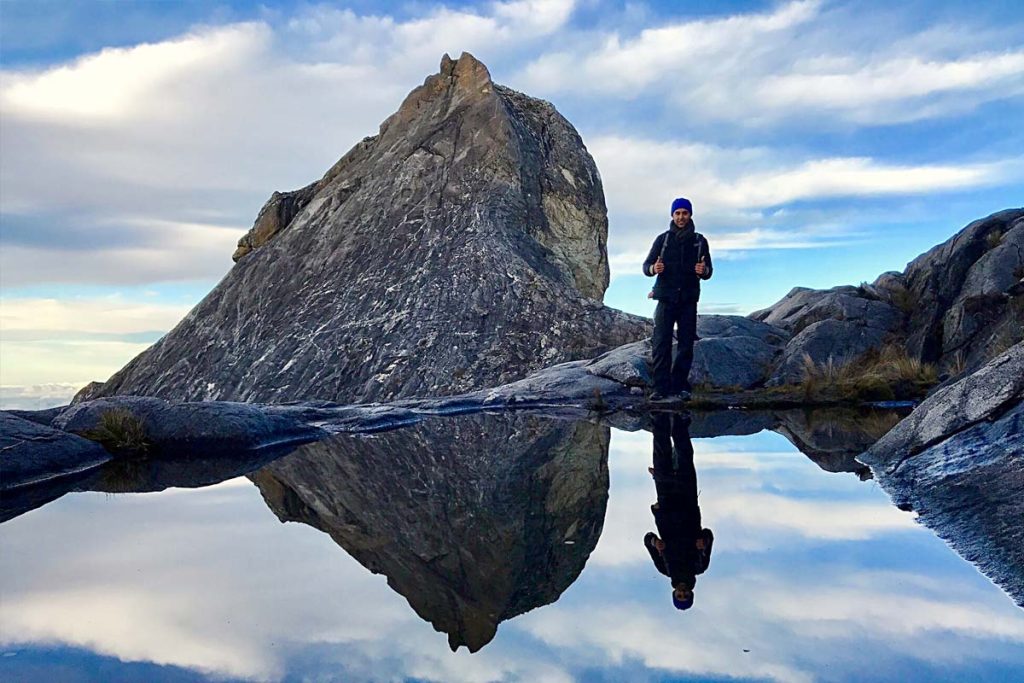
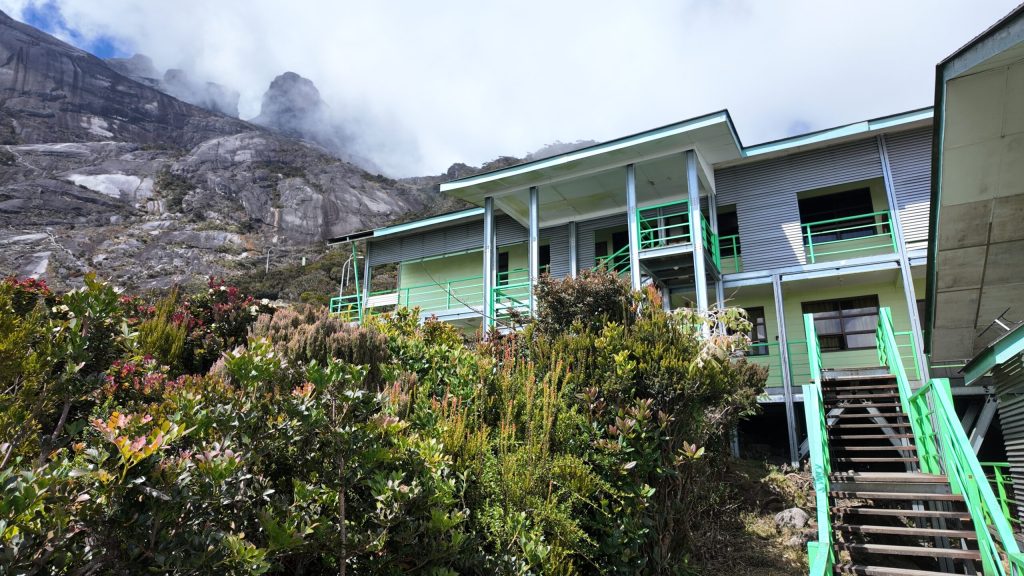
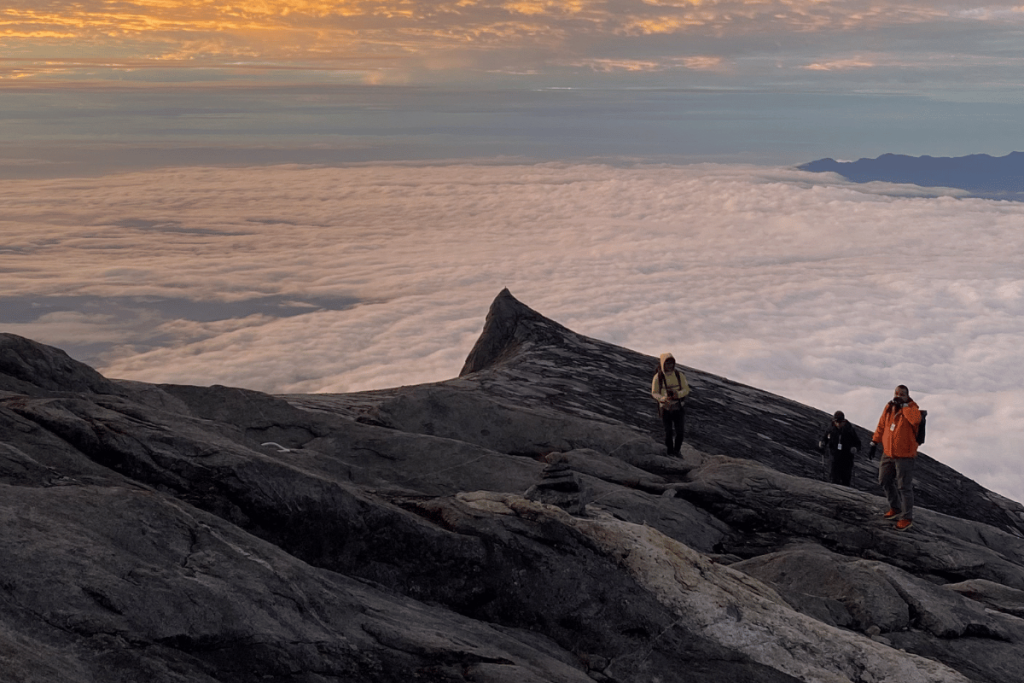
If you want to add extra adventure to your Mount Kinabalu climb, the mountain has two via ferrata routes, run by Mountain Torq. Both use steel cables, iron rungs and bridges to take you safely across exposed granite, and both are done after the summit. They differ a lot in length, difficulty and the experience they offer. Here is how they compare. This guide compares the two Mount Kinabalu via ferrata routes so you can pick the one that suits you.
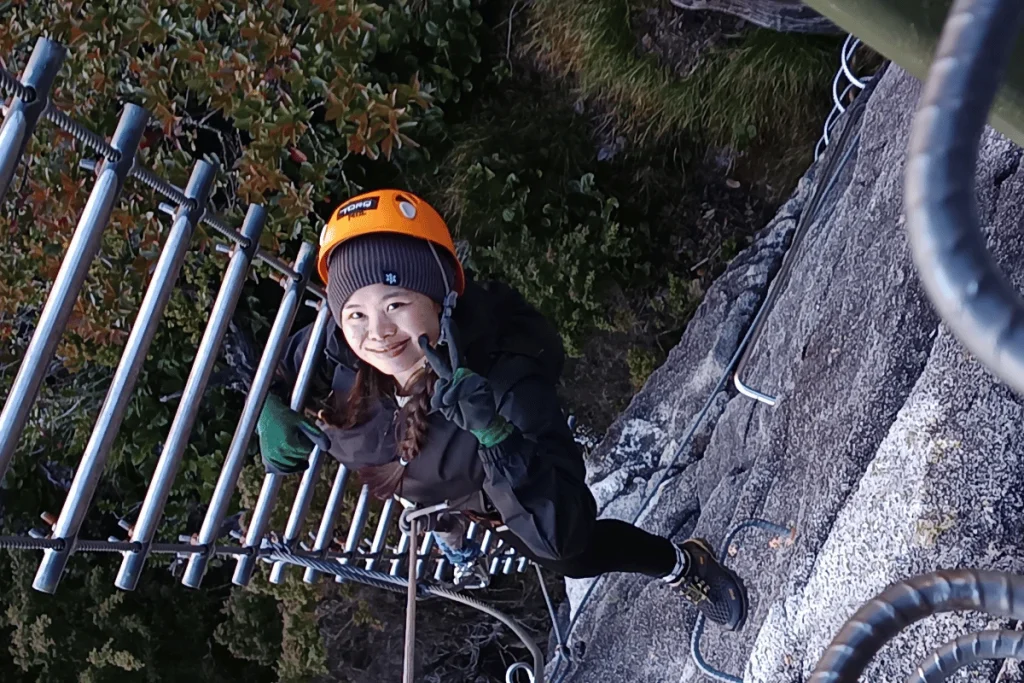
What is a via ferrata?
Via ferrata is Italian for “iron path”: a protected route with fixed cables, rungs, ladders and bridges that you clip into with a harness and lanyards. You don’t need rock-climbing experience, but you do need reasonable fitness, a head for heights and the ability to follow instructions. On Kinabalu, all equipment is provided and every group is led by a trained Mountain Torq trainer.
Mount Kinabalu’s via ferrata, opened in 2007, is certified by Guinness World Records as the highest in the world, running between about 3,411 and 3,776 metres. Its highest point is on the Low’s Peak Circuit.
Walk the Torq
Walk the Torq is the shorter, beginner-friendly route: about 430 metres long and usually 2–3 hours. Mountain Torq describes it as an introductory route, and it is open to fit climbers aged 10 and over — a great first taste of via ferrata after the summit trek.
- Difficulty: moderate — ideal for first-timers
- Highlights: rungs and cables across steep granite, with wide views over Sabah on clear days
- Best for: climbers who want an extra thrill without the longest, most exposed sections
Low’s Peak Circuit
The Low’s Peak Circuit is the longer and much more demanding route: about 760 metres of cables and bridges, usually 4–5 hours. It is open to very fit climbers aged 16 and over. It covers more of the mountain’s granite face, with greater exposure, steeper traverses and long suspension bridges that need more upper-body effort and a higher tolerance for heights.
- Difficulty: challenging — for fit, confident climbers comfortable with long periods of exposure
- Highlights: the route’s high point at 3,776 metres, a suspension bridge at about 3,600 metres, and some of the most dramatic views of Kinabalu’s summit peaks available to non-technical climbers
- Best for: experienced hikers who want the most complete via ferrata challenge on the mountain
Walk the Torq vs Low’s Peak Circuit: side by side
| Walk the Torq | Low’s Peak Circuit | |
|---|---|---|
| Length | About 430m | About 760m |
| Typical time | 2–3 hours | 4–5 hours |
| Minimum age | 10 | 16 |
| Grade (French scale) | PD (introductory) | AD (intermediate) |
| Difficulty | Moderate | Challenging |
| Best for | First-time via ferrata climbers | Experienced, confident climbers |
What to expect on either route
All via ferrata climbers stay at Pendant Hut and must attend a compulsory safety briefing there at around 3:30 PM on Day 1 — miss it and you won’t be allowed on the route. The next morning you climb to Low’s Peak first, then meet your trainer at the start of your route on the way down. You need to reach your route’s start point in time, so a steady summit pace matters. You stay clipped to the cable at all times and follow your trainer’s instructions on the exposed sections. Clear weather makes a huge difference, opening up views few visitors ever see.
Which Mount Kinabalu via ferrata route should you choose?
If you aren’t sure how you will feel about heights, or you have never done a via ferrata, start with Walk the Torq — it gives you the thrill and the views without the most demanding sections. If you are an experienced hiker looking for the ultimate Kinabalu challenge, the Low’s Peak Circuit is the one for you. Remember the minimum ages: 10 for Walk the Torq and 16 for the Low’s Peak Circuit.
Booking considerations
Via ferrata places and Pendant Hut beds are limited, so book well ahead. The routes are sold as part of a 2D1N or 3D2N climbing package. Because you tackle the via ferrata after the summit push, being well rested helps — a 3D2N itinerary with a first night at Kinabalu Park or Kundasang means you start the climb fresher.
Whichever you choose, adding a via ferrata turns your Kinabalu climb into something truly special: Malaysia’s highest summit followed by a cable-protected traverse across some of its most spectacular terrain.
Mount Kinabalu via ferrata FAQs
Do I need climbing experience for the Mount Kinabalu via ferrata?
No. You stay clipped to a steel safety cable the whole time, and trained guides brief you before you start. Walk the Torq is designed for first-timers, while Low’s Peak Circuit suits fitter climbers who are comfortable with heights.
When do you do the via ferrata?
Both routes are done on summit day, after you return from Low’s Peak and before you descend to the park. That makes summit day longer, so plan for a later finish.
Who runs the Mount Kinabalu via ferrata?
The routes are operated by Mountain Torq, whose Low’s Peak Circuit has been recognised by Guinness World Records as the world’s highest via ferrata.
Ready to book? Compare our Walk the Torq climb and Low’s Peak Circuit climb, or the 3D2N via ferrata package.